


.png)
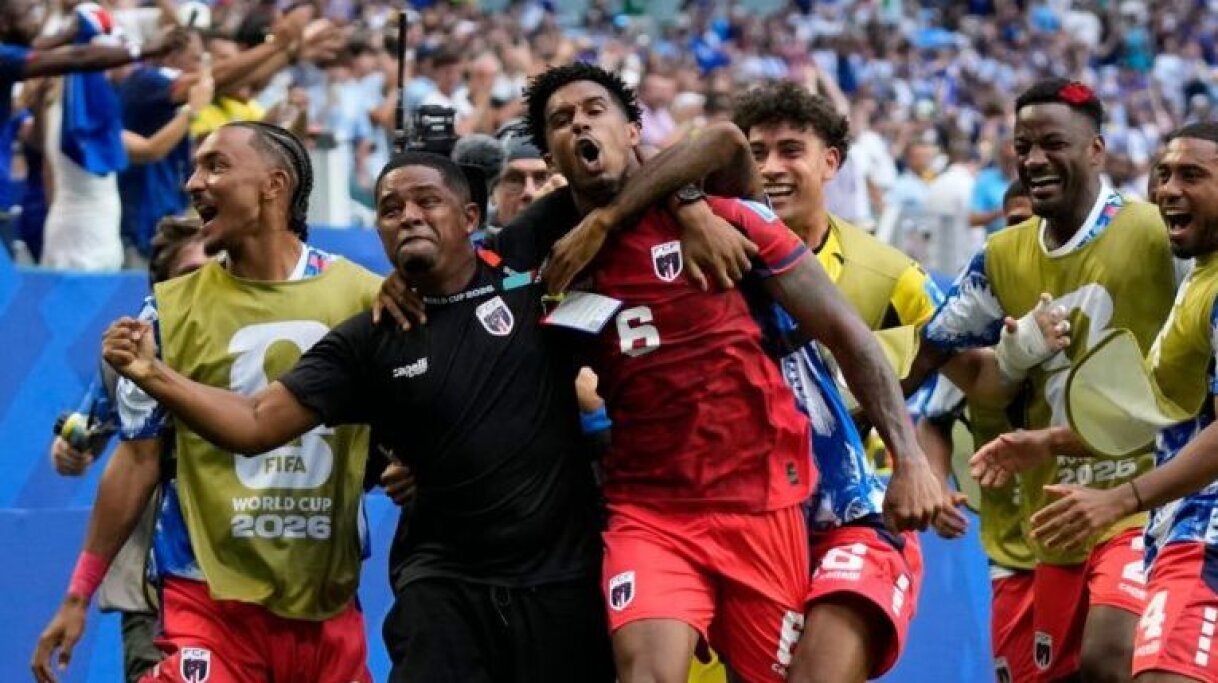
Cape Verde’s Cinderella Run at World Cup 2026
For years, Cape Verde were the kind of national team casual fans admired from a distance. Tough to beat, easy to like, but rarely expected to shake the biggest stage. That changed in 2026. This tiny Atlantic island nation, with a population of around half a million, arrived at the World Cup carrying more than hope. It carried a story built on patience, identity and belief. In a tournament usually dominated by giants, Cape Verde have become the team everyone is suddenly talking about.
What makes this run so remarkable is how improbable it looks on paper. Cape Verde were ranked 67th in the FIFA men’s rankings as of 11 June 2026, far below the traditional powers they now share the spotlight with. Yet numbers alone do not explain this team. FIFA’s own profile of the Blue Sharks describes a national project powered by football culture, unity and a global diaspora that has helped deepen the talent pool. For a country that only became independent in 1975 and started its national-team journey in 1978, reaching this level is not just progress. It is a football revolution.

The foundation of this breakthrough was laid long before the World Cup itself. Cape Verde did not sneak into the tournament by accident. They won a difficult African qualifying group that included heavyweights like Cameroon and dangerous opponents like Angola. Their home form was especially ruthless: five wins from five matches without conceding a single goal. The decisive moment came in Praia, where a 3-0 win over Eswatini sealed the first World Cup qualification in the nation’s history. Even before that, FIFA described Cape Verde as favourites to finish top after a courageous comeback against Libya kept them in control of their destiny.
A big reason for that consistency is head coach Bubista. Since taking charge in 2020, he has built a team with a clear identity: compact, disciplined, hard to break down and dangerous on the counterattack. FIFA credits him with creating a balanced dressing room and a strong chemistry that allows the Blue Sharks to play with calm rather than panic. That mindset showed immediately on the world stage. After earning a 0-0 draw with Spain in their World Cup debut, Bubista and his players did not behave like a team satisfied just to be there. They spoke like a group that came to compete without fear.
That draw with Spain is the moment that turned admiration into global attention. For most debutants, simply surviving the occasion would have been enough. Cape Verde did more than survive. They looked composed, emotionally controlled and convinced they belonged. Midfielder Kevin Pina told FIFA that the team’s greatest strength is its brotherhood, while Bubista insisted his players had not come simply to take part. That is why this feels bigger than a one-off upset. Cape Verde are not playing like tourists at the World Cup. They are playing like a side that has spent years preparing for this exact test.
There is also real tournament experience behind the romance. In January 2024, Cape Verde reached the Africa Cup of Nations quarter-finals after beating Mauritania 1-0, a historic win that CAF called the nation’s first ever knockout victory at AFCON. That mattered. It gave this squad proof that it could handle pressure, control tense matches and deliver when the margins were thin. Captain Ryan Mendes, one of the long-serving faces of this generation, was again central to the moment, just as veterans like Vozinha and Roberto Lopes have remained key pillars of the team’s rise.
Maybe the most powerful part of the Cape Verde story is that it belongs to more than the islands themselves. FIFA noted that many Cabo Verdeans live abroad, and that reality is reflected in the squad. Players with roots in the archipelago but lives shaped in other countries have helped turn the national team into a symbol of connection. Roberto Lopes, born in Ireland to a Cape Verdean father, described the achievement as fulfilling a childhood dream on football’s biggest stage. In that sense, this is not only a sporting breakthrough. It is a shared emotional moment for a nation and its diaspora, united by the same shirt.
So, are Cape Verde really the biggest surprise of FIFA World Cup 2026 so far? It is hard to argue otherwise. They have the size of a minnow, the ranking of an outsider and the mentality of a seasoned contender. Their rise has been built on structure, courage and identity, not luck. Whether the Blue Sharks go all the way to the knockout rounds or not, they have already changed how the football world sees them. Cinderella stories usually fade fast. Cape Verde’s feels different. It looks like the arrival of a team that finally believes its moment has come.
Cover Credits Sportsnet

Leave a Reply