


.png)
FIFA 2026’s 48-Team Format: Why Survival Is Tougher
The FIFA world cup 2026 will be the biggest tournament in football history. For the first time, 48 teams will compete instead of 32. The competition will be hosted across the United States, Canada and Mexico, spread over 16 host cities, and will feature a massive 104 matches from June 11 to July 19, 2026. On paper, that sounds like more opportunity, more stories and more global excitement. And it is. But it also creates a brutal new reality: surviving this World Cup may be harder than ever.
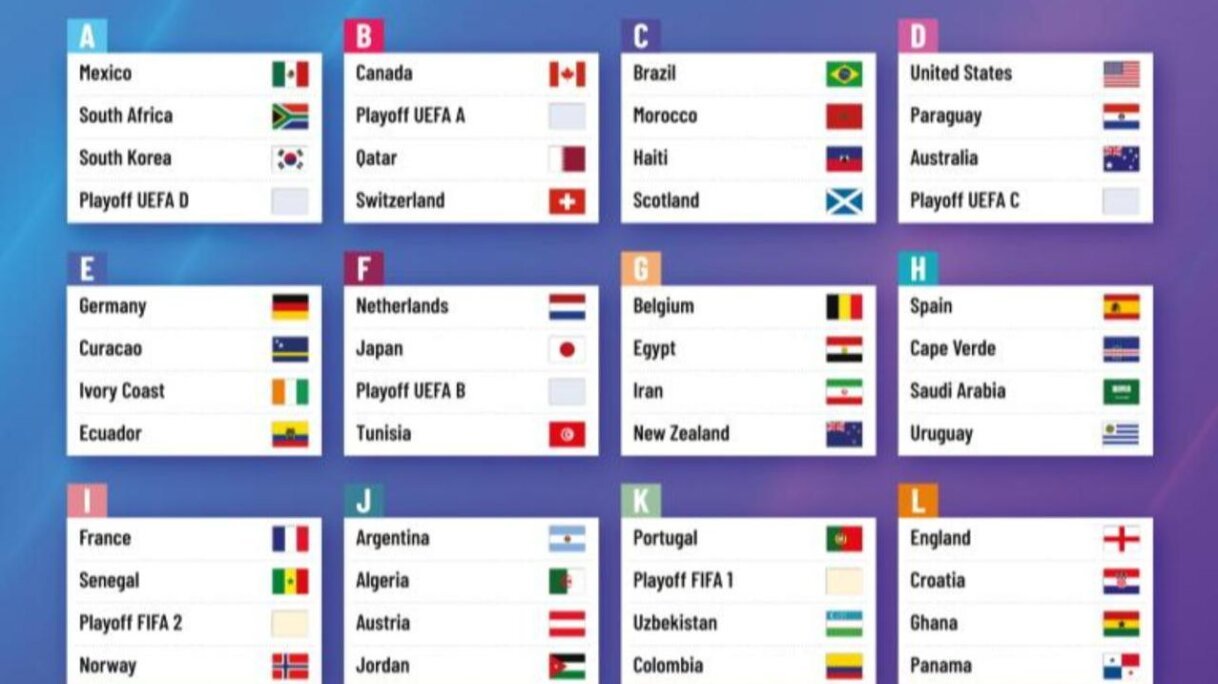
The headline change is simple. FIFA has moved from eight groups of four teams to 12 groups of four. The top two teams in each group will qualify for the knockout stage, along with the eight best third-placed teams. That means 32 teams will reach a brand-new round of 32. The old 64-match structure is gone. This version is longer, wider and far more demanding. Even FIFA has confirmed that the team lifting the trophy will now need to come through eight matches, one more than in the previous format.
At first glance, some fans will argue the opposite. If 32 of 48 teams can reach the knockouts, surely getting out of the group is easier. Mathematically, yes, more teams have a path forward. But tournaments are not only about crossing one line. They are about staying alive, handling pressure, managing legs, rotating smartly and peaking at the right time. The 2026 format may offer more doors into the knockout rounds, but once you are in, the path becomes longer, more chaotic and less forgiving.
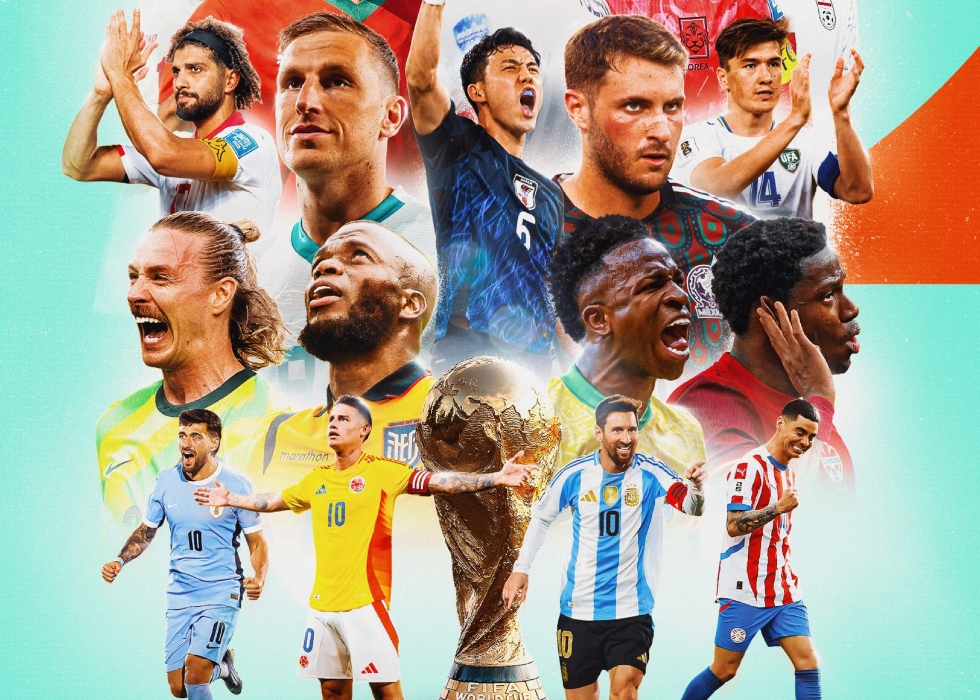
The biggest reason survival is harder is the extra knockout round. In the old format, finalists played seven matches. In 2026, semifinalists and finalists will have to survive eight. That one extra game is not a small tweak. It means more fatigue, more risk of suspension, more injuries, more tactical wear and a greater chance of being caught on an off day. In tournament football, every additional 90 minutes is another test of depth and nerve.
Travel will also be a serious survival factor. This is not one compact host nation. It is a three-country World Cup staged across 16 cities. Teams, staff and fans will deal with long flights, changing climates, different time zones and shifting routines. That matters. Recovery is harder when travel expands. Preparation is trickier when logistics become part of the game. A team may be tactically ready but still lose an edge because of accumulated physical strain over a six-week tournament.
Then there is the issue of uncertainty. Because eight third-placed teams will advance, the group stage becomes more complicated. Teams may finish their three matches and still have to wait to see whether their record is enough. That creates a strange pressure. It changes how coaches approach final group games. It can encourage caution in some groups and desperation in others. AP noted that this setup creates an “unbalanced” route into the knockouts, with some third-placed teams left waiting days to know whether they are through. That uncertainty can distort strategy and make survival less straightforward than before.
Squad depth will matter more than ever. In a tournament that now stretches to 104 matches overall, the deepest and smartest squads gain a clear advantage. A strong starting XI will not be enough. Teams will need reliable bench players, flexible defenders, backup midfield control and game-changers in attack. Coaches will have to think beyond the next opponent and manage the whole month. One injury crisis, one suspension chain or one badly timed drop in energy could end a campaign fast.
There is also a psychological challenge that comes with expansion. Smaller nations now have a better chance to qualify for the finals, which is good for the global game. But it also means traditional powers cannot assume smooth early rounds. The emotional intensity of facing hungry debutants or underdogs can be dangerous. Every game becomes a trap if a favorite is even slightly underprepared. More teams does not only mean more weak sides. It means more styles, more unpredictability and more chances for disruption.
Interestingly, FIFA chose 12 groups of four over the earlier idea of 16 groups of three after reviewing sporting integrity, player welfare, fan experience and the risk of collusion. The final decision was meant to protect the competition. But in doing so, FIFA also created a giant tournament that rewards endurance almost as much as quality. This is no longer just a sprint through seven matches. It is an endurance test disguised as a football festival.
So, is the 2026 World Cup more open? Absolutely. Is it more inclusive? Without question. But is survival easier? Not really. It may be easier to stay alive for a little longer. Yet to truly survive the tournament, to keep winning under pressure, through travel, recovery issues, knockout chaos and one extra elimination round, teams will need more than talent. They will need durability, depth, discipline and timing. That is what makes the new 48-team era so fascinating. The 2026 World Cup will not only crown the best football team. It may crown the last team physically, mentally and tactically standing.
Cover page credits Turkey Today

Leave a Reply