



.png)
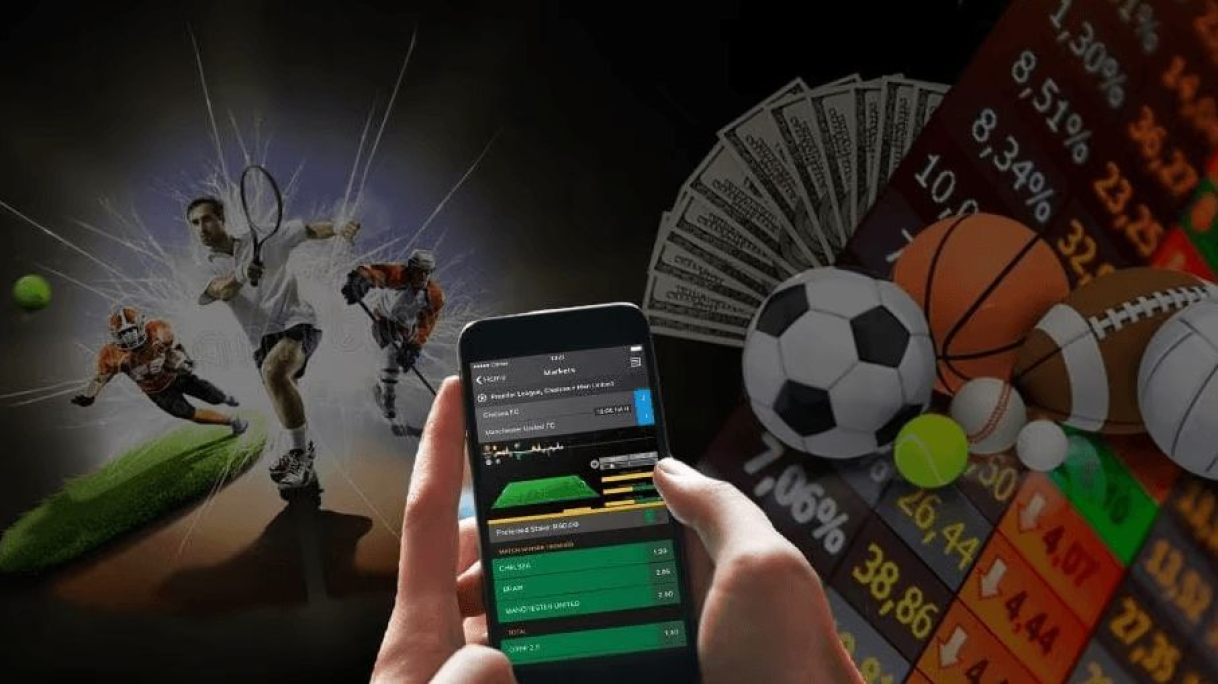
How to Read Live Odds When Betting With Crypto
Live betting has changed the pace of sports wagering entirely. You're no longer locked into a pre-game line set the night before, you can react to momentum shifts, injuries, and score changes as they unfold. That speed carries a real learning curve. Reading live odds well when betting with crypto means knowing your number formats cold, understanding why lines move, and spotting value before the window shuts on you. Crypto platforms refresh lines constantly, sometimes every few seconds, so your edge comes from preparation, not from how fast your finger taps the screen. The math isn't intimidating once the logic clicks. This article covers what live odds actually mean, what pushes them mid-game, and how to build a research routine that makes your live-bet calls sharper. Take it section by section; you'll find the whole process starts feeling natural sooner than you'd expect.
Understanding Live Odds and What the Numbers Tell You
A Bitcoin sportsbook with live odds refreshes its lines from kickoff to the final whistle, which means the number on your screen right now might look completely different in three minutes. These sites rely on real-time data feeds and automated pricing models to adjust markets as the action develops, giving bettors updated odds that reflect changing game conditions. Without a solid understanding of the underlying game context, a moving line is just noise. With the right foundation, a sudden shift becomes a signal worth acting on. The core skill, honestly, the one that matters most, is translating each odds format into plain dollar terms automatically, because there's no time to pause and do arithmetic while you're watching a half unfold. Two standard formats dominate every crypto sportsbook. Knowing both prevents the rushed, poorly sized bets that confusion reliably produces.
What American Odds Mean
American odds, also called moneyline odds, are the standard format on most US-facing crypto sportsbooks. A negative number shows how much you need to stake to win $100 in profit. Simple. A positive number shows how much profit a $100 bet returns, so -150 means you'd risk $150 to clear $100, and +130 means a $100 wager brings back $130 profit on top of your original stake. In a live context, those numbers shift as events unfold, and a team that scores first in a soccer match might see their moneyline drop from -110 to -260 within a few minutes, reflecting the book's reassessment of where things are headed. The larger the negative, the heavier the favorite. Most platforms display implied probability alongside the line, the percentage chance the book assigns to that outcome, which gives you something concrete to measure against your own read of the game. Getting comfortable with that translation is where everything else starts.
Decimal Odds and Why Crypto Platforms Use Them
Decimal odds show up constantly on crypto sportsbooks because they work cleanly with fractional coin amounts and travel well across international markets. The decimal figure folds your original stake into the payout, so 2.50 means a $100 bet returns $250 total ($150 profit). Converting from American is straightforward: for positive odds, divide by 100 and add 1, so +200 becomes 3.00; for negative odds, divide 100 by the absolute value and add 1, so -200 becomes 1.50. Most platforms let you toggle between formats in account settings. Still, knowing the conversion matters during live betting, you'll sometimes read value faster in one format than the other. A decimal of 1.40 immediately tells you the implied probability sits around 71%, and you can stack that against what you're watching on the field without breaking stride. The lower the decimal, the more confident the book is in that outcome. Keep that relationship front of mind every time a line ticks.
How Live Odds Move Mid-Game and What Drives the Shifts
Live odds aren't static by design, they respond to everything happening on the field, court, or pitch in real time. Knowing why a line moved is often more useful than knowing where it currently sits, because it separates genuine information from book-driven adjustments. Not every shift signals an opportunity. Understanding the mechanics, though, helps you cut through the noise fast.
In-Game Events Versus Book-Driven Adjustments
The most direct driver of live odds movement is something that actually happened: a goal, a red card, a major injury, a fumble, a scoring run. Books reprice immediately after anything that changes the probable outcome. Sportsbooks also track betting volume in real time and shift lines to balance their exposure across both sides, so a sharp move doesn't always mean something just happened in the game, it might mean a wave of public money hit one side and the book needed to rebalance. The trick is telling the two apart. Before you interpret any move, ask what just happened on the field. If you can't name a specific event that logically explains the shift, it's probably exposure-driven rather than event-driven. Here's the thing, exposure-driven moves sometimes overcorrect, leaving the side the public piled onto priced worse than the actual situation warrants.
Timing a Live Bet Around Volatile Windows
Right after a major in-game event is typically when live odds are least reliable. Books often freeze lines momentarily or post them with wider margins immediately after a big moment, because the probability model needs time to recalibrate. Jumping in the second a line reappears usually means paying a premium for the panic rather than the situation. A more disciplined approach: let the market breathe for a minute or two, then assess whether the adjusted line reflects a genuine probability shift or just overreacts to one play. A team losing a starting defender to injury might see the opponent's spread shorten by 25 to 35 points, but if your research suggests the replacement is capable and the defensive structure isn't going to collapse, that swing might be an overreaction worth fading. Patience inside those volatile windows is genuinely one of the more underrated edges in live betting.
Research Habits That Improve Your Live Odds
Reading
Raw odds show you where the market stands. They don't tell you whether the market is right. A solid pre-game research routine gives you a reference point that makes live lines far easier to interpret; you're comparing each update against something you already know rather than reading it cold.
Cross-Referencing Live Lines With Pre-Game Data
Before any match you plan to bet live, go through form data, head-to-head records, and statistical indicators like expected goals or turnover rates. Compare that picture against the opening line. Using a reliable football prediction site, such as The Daily Punt, can help establish a statistical baseline before you assess how live odds are moving. If the opening line already reflects what the data says, the market is probably working well and there's no glaring edge sitting there. But if the line opened somewhere disconnected from the underlying numbers, you've got context to work from once live odds start moving. During the game, match events to your pre-game analysis: a team you backed for high possession that's still controlling the ball deep into the second half but trails by a goal, the live underdog line on them might still carry value, because the underlying performance tracks your research even when the score doesn't. Use prediction data as a baseline for judgment, not a mechanical trigger. That's what lets you separate a line that's genuinely correcting from one that's simply flinching at a single moment in a game that hasn't finished developing.
Conclusion
Reading live odds well when betting with crypto is something that compounds over time. Start with number formats, get American and decimal odds automatic, then work toward understanding why lines shift and whether those shifts make sense given what's actually happening in the game. Cross-reference live lines against your pre-game research so you're always anchoring a moving number to something solid. The moments right after a major in-game event are the most volatile and often the least accurate; patience there is a real edge, not just good advice. After several sessions, the patterns start to show themselves: exposure-driven moves, overcorrections after injuries, lines that settle into value once the initial reaction fades. Stay disciplined, read the context, and your ability to find genuine value in live crypto betting will sharpen with every game you watch.
Cover credits Sports Boom

Leave a Reply